

No products
Prices are tax included
-
SOLUTIONS
-
-
BUY
-
-
THIN INSULATION
-
R'BULL pro 13 | Thin Reflective Insulation...
14 Review(s)337,58 € 450,10 € -25%Delivered to your home* price: ◉ Europe...
À prix réduit!Delivered to your door free of charge -
R'BULL pro 13 | Thin Reflective Insulation...
1 Review(s)333,09 € 444,12 € -25%Rate delivered to your home* : ◉ Europe...
À prix réduit!Delivered to your door free of charge -
R'BULL pro 5 | Thin Reflective Insulation...
3 Review(s)421,05 € 561,40 € -25%Rate delivered to your home* : ◉ Standard...
À prix réduit!Delivered to your door free of charge -
R'BULL pro 5s | 5mm floating parquet...
3 Review(s)296,24 € 370,30 € -20%Rate delivered to your home* : ◉ Standard...
À prix réduit!Delivered to your door free of charge -
Aluminium adhesive tape 75 mm x 50 m....
2 Review(s)26,00 €Rate delivered to your home* : ◉ Europe stock...
In stock -
R'Acoustic 20 | Thin Acoustic Thermal...
5 Review(s)234,43 € 275,80 € -15%Rate delivered to your home* : ◉ Standard...
À prix réduit!Delivered to your door free of charge -
R'Acoustic 10 | Thin Acoustic Thermal...
3 Review(s)200,52 € 235,90 € -15%Rate delivered to your home* : ◉ Standard...
À prix réduit!Delivered to your door free of charge -
R'Acoustic Alu | Insolant Mince Réflecteur...
2 Review(s)251,77 € 296,20 € -15%Rate delivered to your home* : ◉ Europe...
À prix réduit!Delivered to your door free of charge -
R'BULL pro 5 | Thin Reflective Insulation...
1 Review(s)202,50 € 270,00 € -25%Rate delivered to your home* : ◉ Standard...
À prix réduit!Delivered to your door free of charge -
R'Flam Pro 6 | Thin Reflective Insulation...
2 Review(s)497,03 € 662,70 € -25%Home delivery price* : 1 Roll : 19.88 €/m²...
À prix réduit!Delivered to your door free of charge -
R'Flam Tape - Non-combustible aluminum...
23,46 €Flame-retardant aluminium adhesive roll for thin...
In stock
-
-
-
-
Heating panels
-
Fire-retardant heating film for radiant...
4 Review(s)70,20 €Rate delivered to your home* : ◉ Europe...
En Stock -
Fire-retardant heating film for radiant...
51,48 €Rate delivered to your home* : ◉ Europe...
En Stock -
eFilm Power - Width 60 cm
1 Review(s)59,84 €Heating film for specific applications 25-year...
In stock -
-
-
Cassette radiant great heights :...
498,30 €The radiant heating CRIR 1800 is intended for the heating...
En Stock
-
-
Thermostats
-
Connected programmable thermostat for...
9 Review(s)113,04 €Rate delivered to your home* : ◉ Stock France...
STOCK FRANCE: In stock for delivery within 24/48 hours with tracking. -
Connected programmable thermostat for...
2 Review(s)120,24 €Rate delivered to your home* : ◉ Stock France...
STOCK FRANCE: In stock for delivery within 24/48 hours with tracking. -
Radio-connected, programmable 4G wifi...
149,76 €Connected radio thermostat . Programmable device...
STOCK FRANCE: In stock for delivery within 24/48 hours with tracking. -
Floor probe for radiant floor heating...
20,00 €Rate delivered to your home* : ◉ Express...
In stock for delivery within 24/48 hours (France stock)
-
-
-
-
Heated mirrors / Connected furniture
-
Mirolia Pro series. Self-adhesive heating...
3 Review(s)110,88 €No more fogging up your mirror! Mirolia eliminates...
STOCK FRANCE: In stock for delivery within 24/48 hours with tracking. -
Custom-made heated mirror
2 Review(s)59,40 € 66,00 € -10%We create the heated mirror of your dreams 2 options...
À prix réduit!In stock -
Mirolia Carbon Pro series. Self-adhesive...
100,84 € 112,04 € -10%Turn your mirror into a heated mirror. Freedom...
À prix réduit!In stock -
MIROLIA PANEL DECO
1 Review(s)1 020,00 € 1 360,00 € -25%Mirolia Panel Deco is a decorative heated mirror with...
À prix réduit!En Stock -
-
Hot Table, musical back-lit
6 312,24 €Table immersive to animate your evenings with your...
In stock -
-
-
Switch
-
Magic Switch, the switch is invisible...
1 Review(s)115,68 €Advantages : Removes the risk of...
Available
-
-
-
-
Payment in 4 instalments, interest free

-
Connectors
-
Lever terminals 2 conductors in line -...
1 Review(s)21,90 €Price delivered to your door* : Set of 50...
In stock for delivery within 3 days (France stock) -
Flexible cable with grounding connector...
10,77 € 11,34 € -5%Earth connection of our aluminum insulators for the...
À prix réduit!In stock for delivery within 3 days (France stock)
-
-
Fasteners
-
Clips + screws for fastening ceilingo...
57,90 €*Metropolitan France and Belgium only.
In stock for delivery within 3 days (France stock) -
Set of 100 5 x 50 mm flat-head screws +...
50,00 €Ideal for creating an air gap and limiting contact points...
In stock for delivery within 3 days (France stock)
-
-
Services
-
Complimentary telephone technical support,...
60,00 €The purchase of our products we undertake, which is why...
Service included
-
-
-
-
Understand
-
-
CONTACT
-


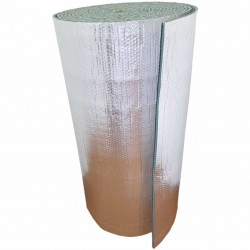
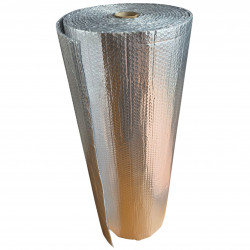
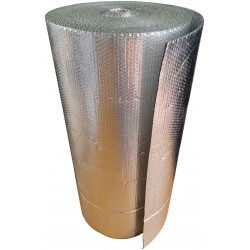
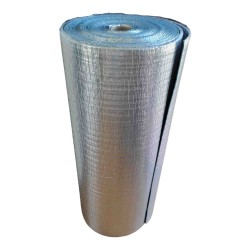
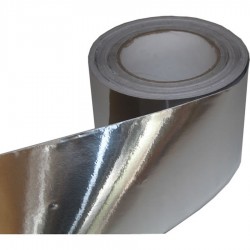
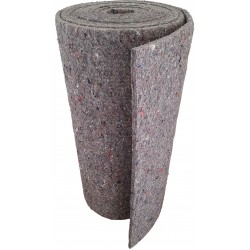
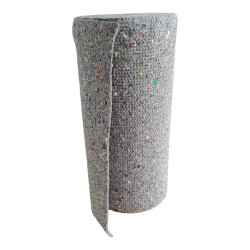
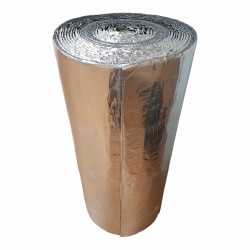
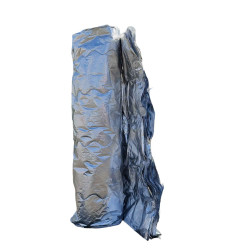
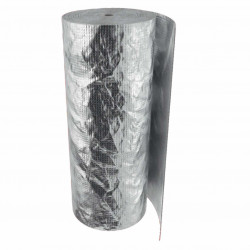



R'BULL Pro stands up to the flame
Published:
11/09/2020 14:58:56
Categories:
Product tests
Not spreading flame is not the same as not burning
The question comes up on almost every job, and it is a fair one: insulation fitted under a roof or on a ceiling sits directly in the path of a fire. What is asked of it is not to be non-combustible, very few building materials are, but not to carry the fire from one part of the building to another.
What the sequence shows in a few seconds
The flame is applied directly to the complex, with no screen and no treatment added for the demonstration. The moment that counts is when it is taken away: nothing goes on burning by itself, and nothing falls as flaming droplets that would start a second fire on the floor below.
What the classification says
R'BULL Pro 13 is classified B-s1,d0 under EN 13501-1. The B stands for a limited contribution to fire, the s1 for very low smoke emission, the d0 for the absence of flaming droplets. In a house fire it is the smoke that stops people getting out, well before the flames arrive, so the s1 index is not a detail buried in a data sheet.
The classification also decides where the product may be installed, particularly in buildings open to the public. The case by case detail is set out on our page about fire regulations. The full product sheet is on the R'BULL Pro 13 page.
The question nobody asks at the right moment
How insulation behaves in a fire is checked before ordering, never after fitting. Once the ceiling is closed, nothing is reachable again without opening the whole thing. It is the one item on a job where saving a few cents per square metre can cost an entire building.
