No products
Prices are tax included
-
SOLUTIONS
-
-
BUY
-
-
THIN INSULATION
-
R'BULL pro 13 | Thin Reflective Insulation...
14 Review(s)337,58 € 450,10 € -25%Delivered to your home* price: ◉ Europe...
À prix réduit!Delivered to your door free of charge -
R'BULL pro 13 | Thin Reflective Insulation...
1 Review(s)333,09 € 444,12 € -25%Rate delivered to your home* : ◉ Europe...
À prix réduit!Delivered to your door free of charge -
R'BULL pro 5 | Thin Reflective Insulation...
3 Review(s)421,05 € 561,40 € -25%Rate delivered to your home* : ◉ Standard...
À prix réduit!Delivered to your door free of charge -
R'BULL pro 5s | 5mm floating parquet...
3 Review(s)296,24 € 370,30 € -20%Rate delivered to your home* : ◉ Standard...
À prix réduit!Delivered to your door free of charge -
Aluminium adhesive tape 75 mm x 50 m....
2 Review(s)26,00 €Rate delivered to your home* : ◉ Europe stock...
In stock -
R'Acoustic 20 | Thin Acoustic Thermal...
5 Review(s)234,43 € 275,80 € -15%Rate delivered to your home* : ◉ Standard...
À prix réduit!Delivered to your door free of charge -
R'Acoustic 10 | Thin Acoustic Thermal...
3 Review(s)200,52 € 235,90 € -15%Rate delivered to your home* : ◉ Standard...
À prix réduit!Delivered to your door free of charge -
R'Acoustic Alu | Insolant Mince Réflecteur...
2 Review(s)251,77 € 296,20 € -15%Rate delivered to your home* : ◉ Europe...
À prix réduit!Delivered to your door free of charge -
R'BULL pro 5 | Thin Reflective Insulation...
1 Review(s)202,50 € 270,00 € -25%Rate delivered to your home* : ◉ Standard...
À prix réduit!Delivered to your door free of charge -
R'Flam Pro 6 | Thin Reflective Insulation...
2 Review(s)497,03 € 662,70 € -25%Home delivery price* : 1 Roll : 19.88 €/m²...
À prix réduit!Delivered to your door free of charge -
R'Flam Tape - Non-combustible aluminum...
23,46 €Flame-retardant aluminium adhesive roll for thin...
In stock
-
-
-
-
Heating panels
-
Fire-retardant heating film for radiant...
4 Review(s)70,20 €Rate delivered to your home* : ◉ Europe...
En Stock -
Fire-retardant heating film for radiant...
51,48 €Rate delivered to your home* : ◉ Europe...
En Stock -
eFilm Power - Width 60 cm
1 Review(s)59,84 €Heating film for specific applications 25-year...
In stock -
-
-
Cassette radiant great heights :...
498,30 €The radiant heating CRIR 1800 is intended for the heating...
En Stock
-
-
Thermostats
-
Connected programmable thermostat for...
9 Review(s)113,04 €Rate delivered to your home* : ◉ Stock France...
STOCK FRANCE: In stock for delivery within 24/48 hours with tracking. -
Connected programmable thermostat for...
2 Review(s)120,24 €Rate delivered to your home* : ◉ Stock France...
STOCK FRANCE: In stock for delivery within 24/48 hours with tracking. -
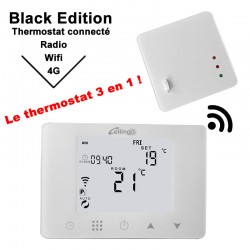
Radio-connected, programmable 4G wifi...
149,76 €Connected radio thermostat . Programmable device...
STOCK FRANCE: In stock for delivery within 24/48 hours with tracking. -
Floor probe for radiant floor heating...
20,00 €Rate delivered to your home* : ◉ Express...
In stock for delivery within 24/48 hours (France stock)
-
-
-
-
Heated mirrors / Connected furniture
-
Mirolia Pro series. Self-adhesive heating...
3 Review(s)110,88 €No more fogging up your mirror! Mirolia eliminates...
STOCK FRANCE: In stock for delivery within 24/48 hours with tracking. -
Custom-made heated mirror
2 Review(s)59,40 € 66,00 € -10%We create the heated mirror of your dreams 2 options...
À prix réduit!In stock -
Mirolia Carbon Pro series. Self-adhesive...
100,84 € 112,04 € -10%Turn your mirror into a heated mirror. Freedom...
À prix réduit!In stock -
MIROLIA PANEL DECO
1 Review(s)1 020,00 € 1 360,00 € -25%Mirolia Panel Deco is a decorative heated mirror with...
À prix réduit!En Stock -
-
Hot Table, musical back-lit
6 312,24 €Table immersive to animate your evenings with your...
In stock -
-
-
Switch
-
Magic Switch, the switch is invisible...
1 Review(s)115,68 €Advantages : Removes the risk of...
Available
-
-
-
-
Payment in 4 instalments, interest free

-
Connectors
-
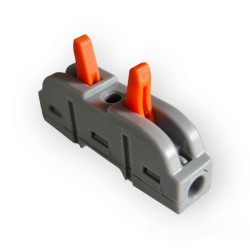
Lever terminals 2 conductors in line -...
1 Review(s)21,90 €Price delivered to your door* : Set of 50...
In stock for delivery within 3 days (France stock) -
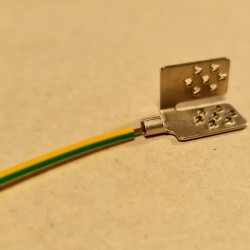
Flexible cable with grounding connector...
10,77 € 11,34 € -5%Earth connection of our aluminum insulators for the...
À prix réduit!In stock for delivery within 3 days (France stock)
-
-
Fasteners
-
Clips + screws for fastening ceilingo...
57,90 €*Metropolitan France and Belgium only.
In stock for delivery within 3 days (France stock) -
Set of 100 5 x 50 mm flat-head screws +...
50,00 €Ideal for creating an air gap and limiting contact points...
In stock for delivery within 3 days (France stock)
-
-
Services
-
Complimentary telephone technical support,...
60,00 €The purchase of our products we undertake, which is why...
Service included
-
-
-
-
Understand
-
-
CONTACT
-






The risk of contact burns from domestic heating appliances
Published:
08/02/2018 22:17:00
Categories:
Installer training
Figures that give pause
Figures collected by the French Institut de Veille Sanitaire record domestic accidents leading to hospital admission across 12 hospitals. France has more than 600 of them.
Those studies show that between 2004 and 2010, 389 burns were recorded following contact with radiators, electric heaters, gas or paraffin heaters and wood stoves.
The figures in that report would therefore have to be multiplied by 50, or more, to cover the country as a whole.
The ranking
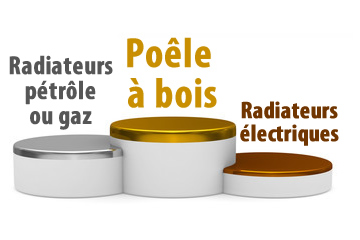
Here is how the heating systems responsible for serious burns rank:
- wood stoves: 30%
- paraffin or gas heaters: 21%
- electric heaters: 20%
- other heaters: 17%
- fireplace inserts: 12%

Children are the most affected
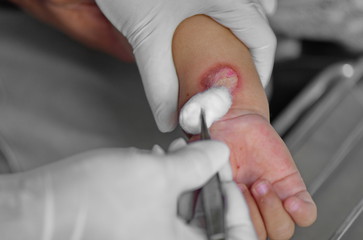
The same figures show that two thirds of the people burned were children under 5, and that the hand is involved in 75% of cases. Typically these are very young children learning to walk, setting off to explore what is around them with both hands held out in front.
Contact with hot surfaces, radiators or the walls of a fireplace insert, is the third and sometimes the second cause of thermal burns in children, after hot liquids and flames.
- 48% of burns are on the hands
- 60% of cases are second degree burns.
What the regulations say
Article 21 of the French order of 4 June 1982 on premises open to the public states that the heating in nursery school rooms must not be directly accessible if its surface temperature is above 60 °C in normal operation.
Standard NF EN ISO 13732-1 of December 2008, on methods for assessing the human response to contact with surfaces, sets maximum contact temperatures for hot surfaces. From those, together with the exposure time, the burn thresholds follow.
The surface temperature of some heating appliances stays very high, and some sellers are happy to talk about a reflex temperature to explain that there is no risk of a burn.
In other words: you put your hand on it, you take it straight off again, and you are not burned.
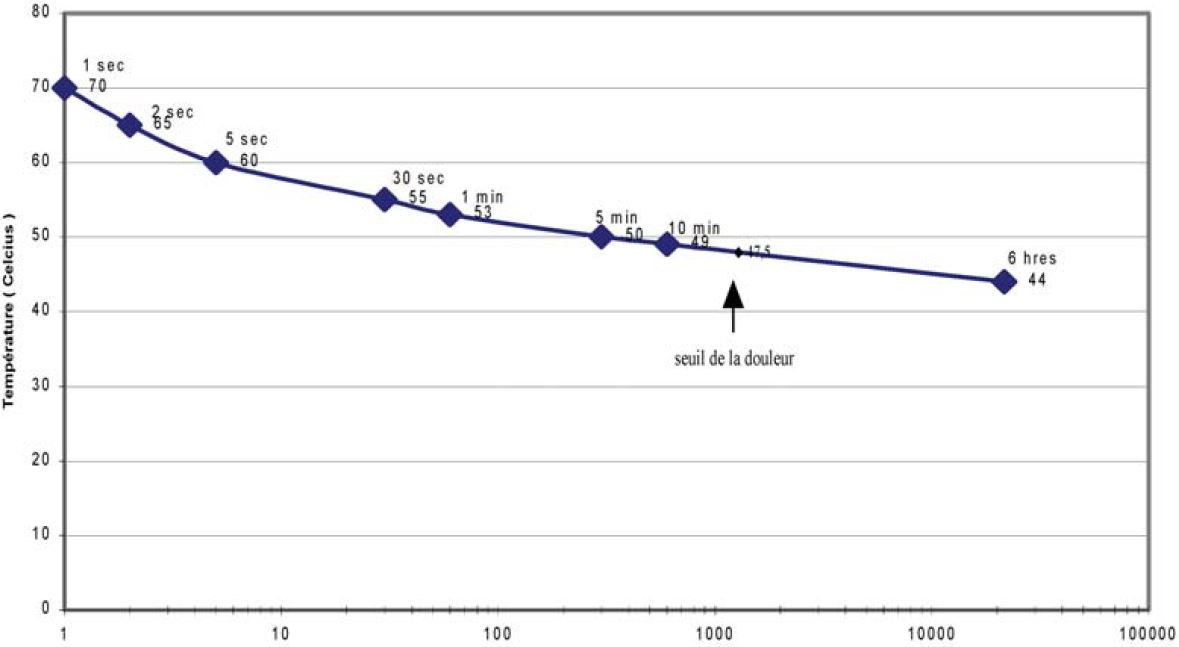

How heat transfers
Put your hand on an object made of steel at a given temperature and the cell damage will be greater, for the same exposure time, than after touching an object of the same shape made of an insulating material such as plastic, wood or plaster.
At the moment of contact a thermal equilibrium forms, between the heat absorbed by the skin and the heat supplied by the object.
Heating appliances that do two jobs
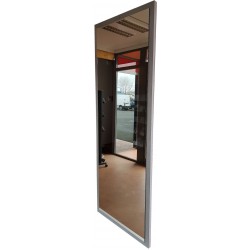
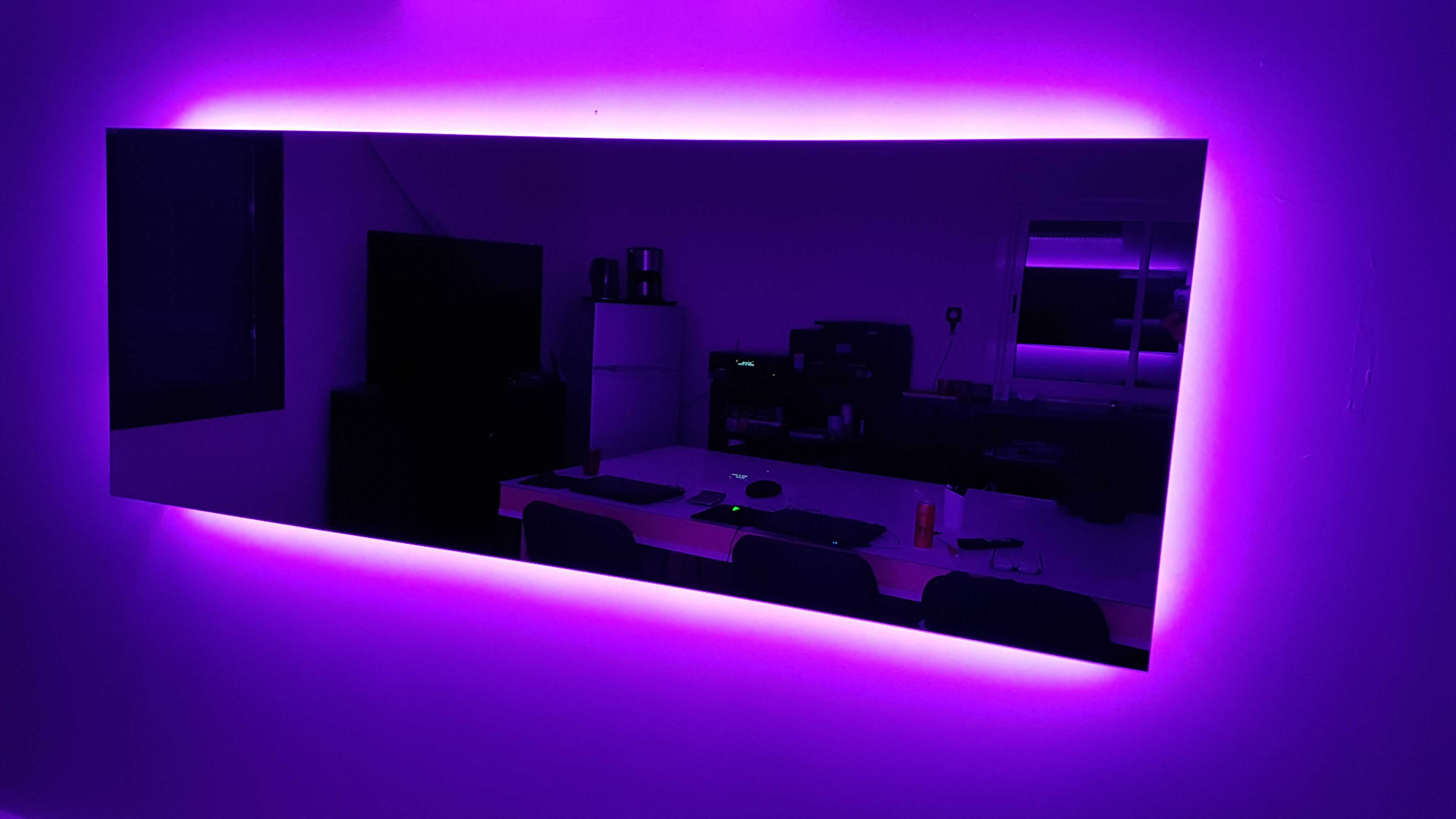
Some heating appliances have another function as well: radiators with a decorative glass surface, and also heated mirrors.
The risk of a burn rises sharply when the appearance of the appliance hides what it is actually for, as the reflective surface of a mirror does.
A very young child exploring the room will be drawn to this strange object that gives back their own image. The surface temperature must under no circumstances burn that child, even where a hand is held against it.

What can be done
For heating manufacturers: protecting children and vulnerable people has to come first.
- Some propose moving the appliance out of reach.
- Others are asking for the contact temperature to be brought down.
For those designing buildings and homes: work with forms of heating built around comfort.
- emitter temperatures as low as possible
- large exchange surfaces.
- better insulation of the building envelope.